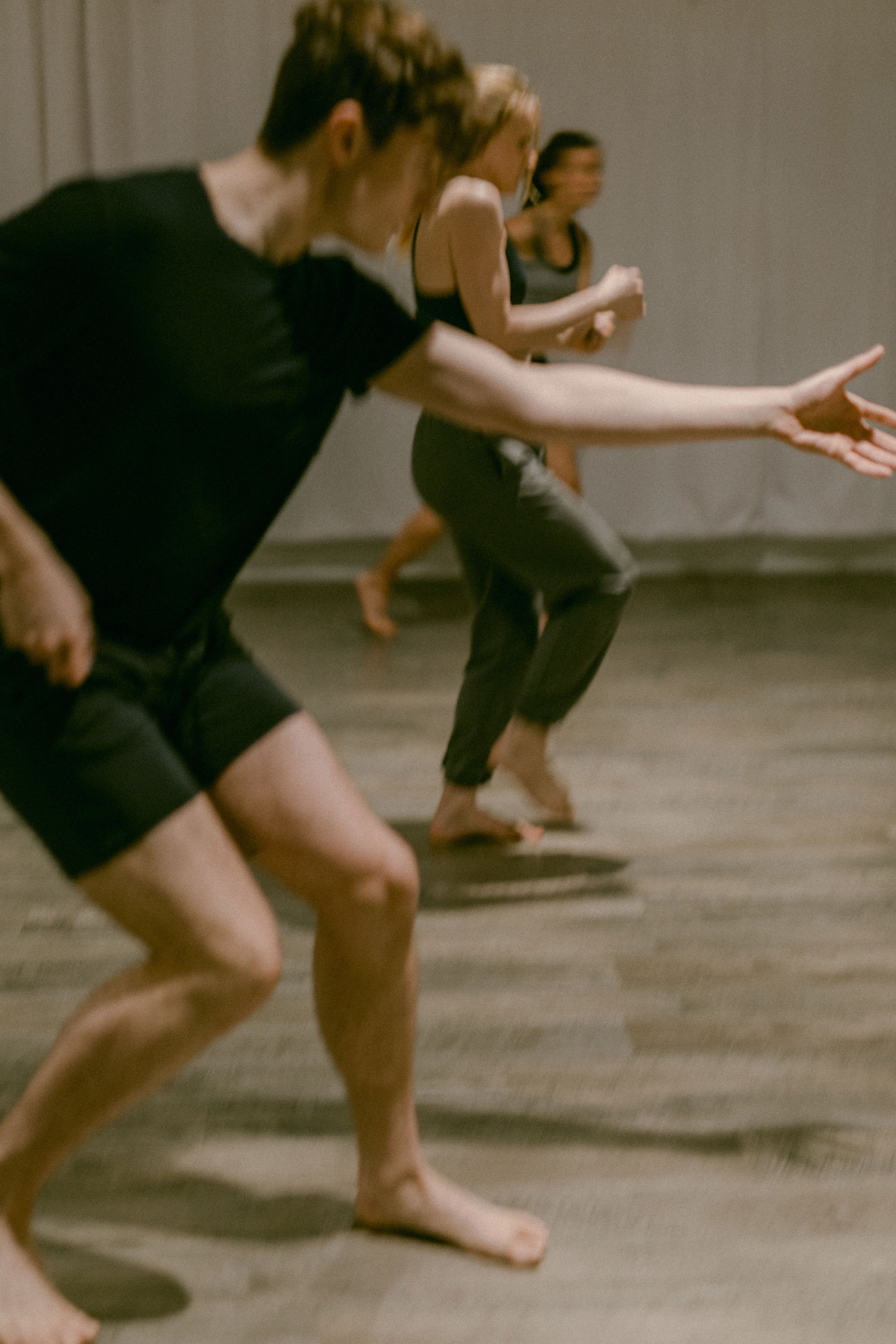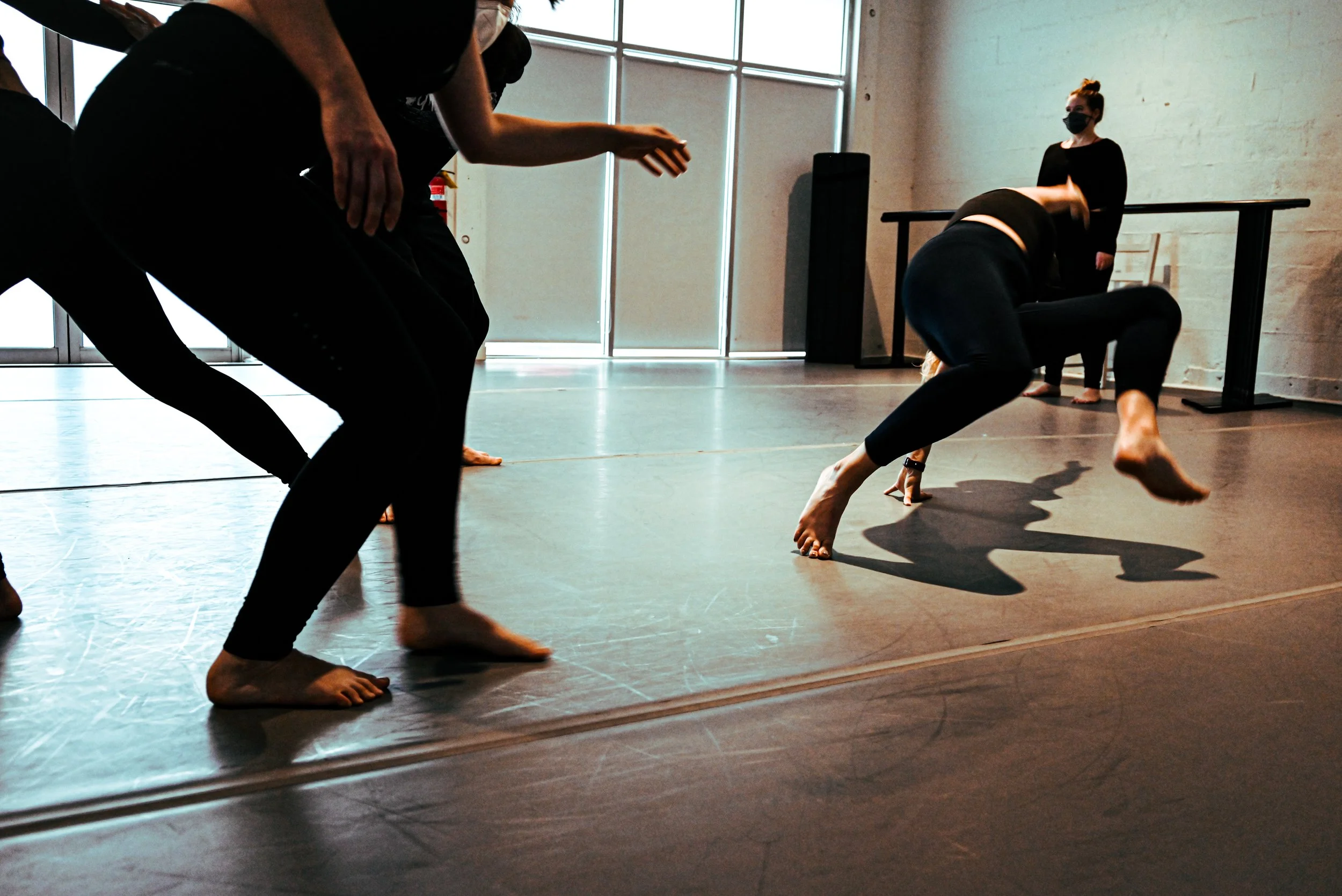
It begins with the body.
What is movement for actors?
Training in movement and an ongoing practice is a vital component of the actor’s craft. There are multiple actor movement methods, but generally all of them aim to sharpen the actor’s primary instrument — the body. While the psychological approach to acting is important, hence why it’s the basis for most Western training methodologies, the body is the vessel through which behavior is displayed. If your body isn’t free enough to express need, conflict, desire, connection, action, or any traits that are specific to the creation of a transformational, lived-in character, you will find yourself very blocked as a performer.
This is why developing the body as a tool for expression is an important part of an actor’s practice. An established practice in movement can allow for freedom in acting and endurance to sustain the demands of various roles and performances. It also teaches specificity by offering tools for transformation and can unlock access to imagination and a rich, full interior life.
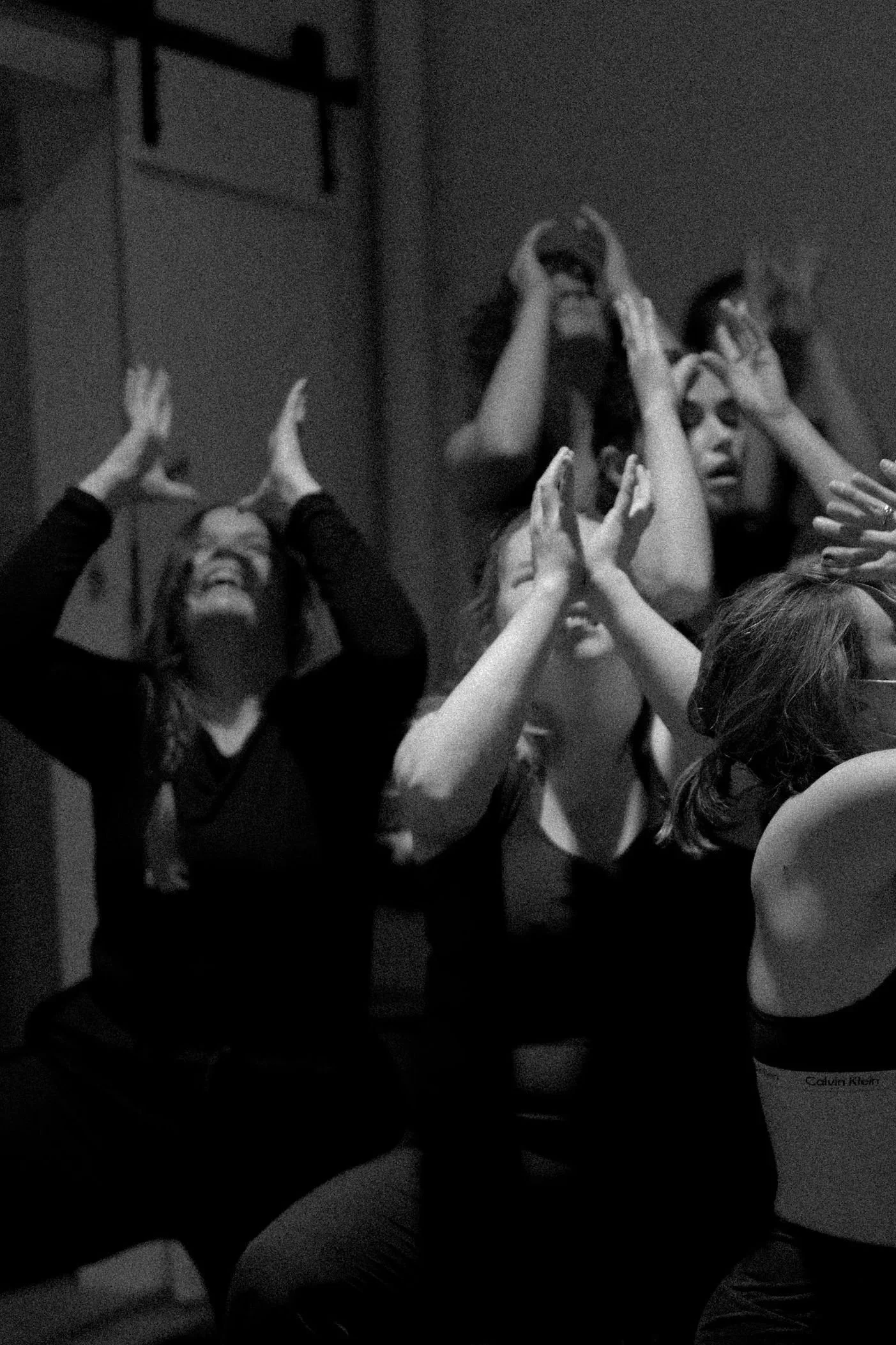
Beginning transformation.
When starting movement training, there may often be restriction, immobility, discomfort, and heightened self-awareness, which works in opposition to being present in the moment in performance. With dedicated time and practice, the work begins to release uncontrolled physical tension and open up the power, stamina, and presence of the body. It allows for the artist to work under the gaze of an audience, while staying fully in the moment of their own experience and in collaboration with other actors.
When the actor becomes aware of their habits and is supported with the necessary tools to move away from them, they are given the potential to transform. By making physical choices rooted in the imaginary circumstances or character, the actor can fully embody different modes of being.
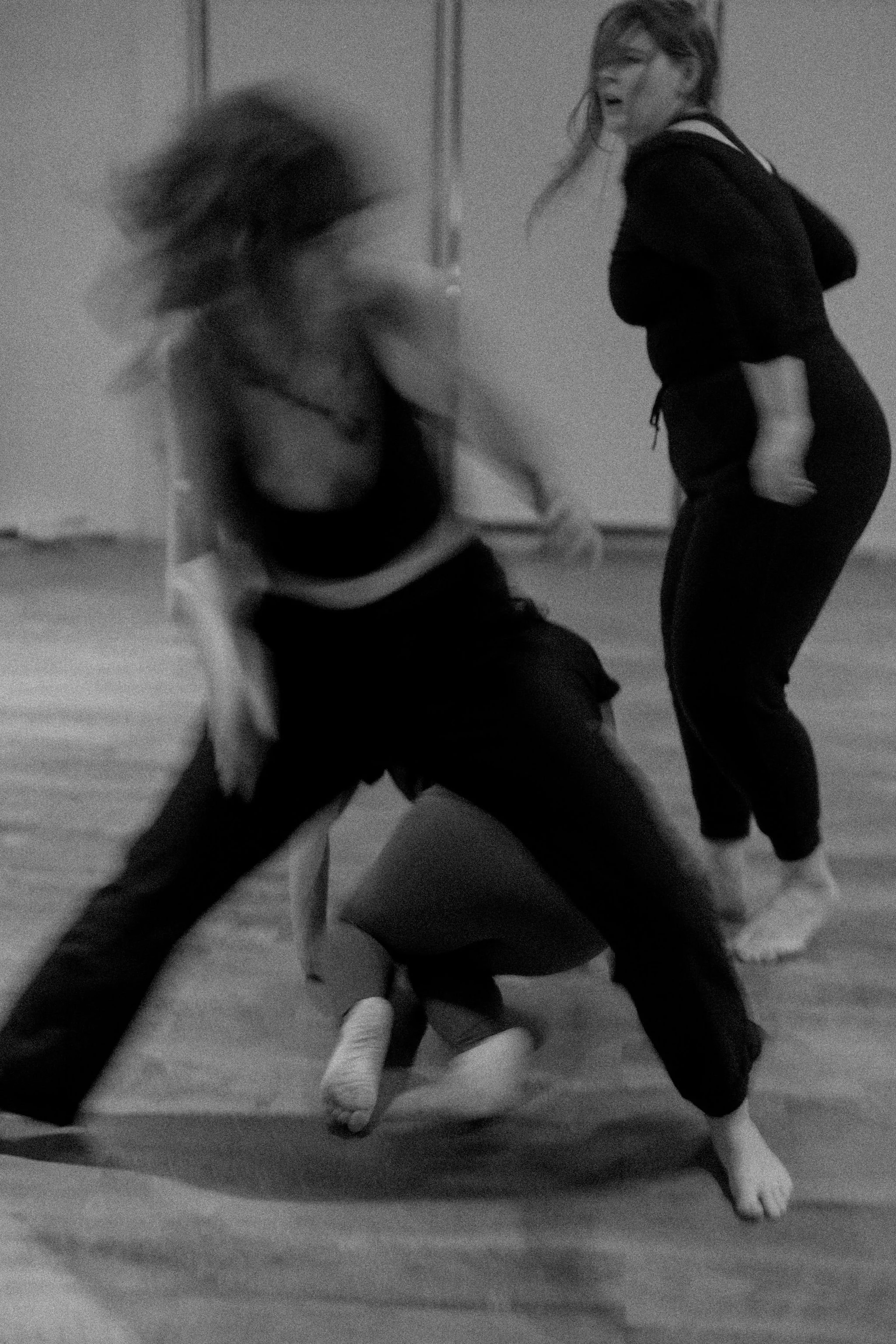
Why is movement training important?
As actors, it is imperative that we seek specificity and truthfulness in the story that we’re telling. The expression of the body can support this truth or deny it.
A little movement breakdown.
<<<<<<<
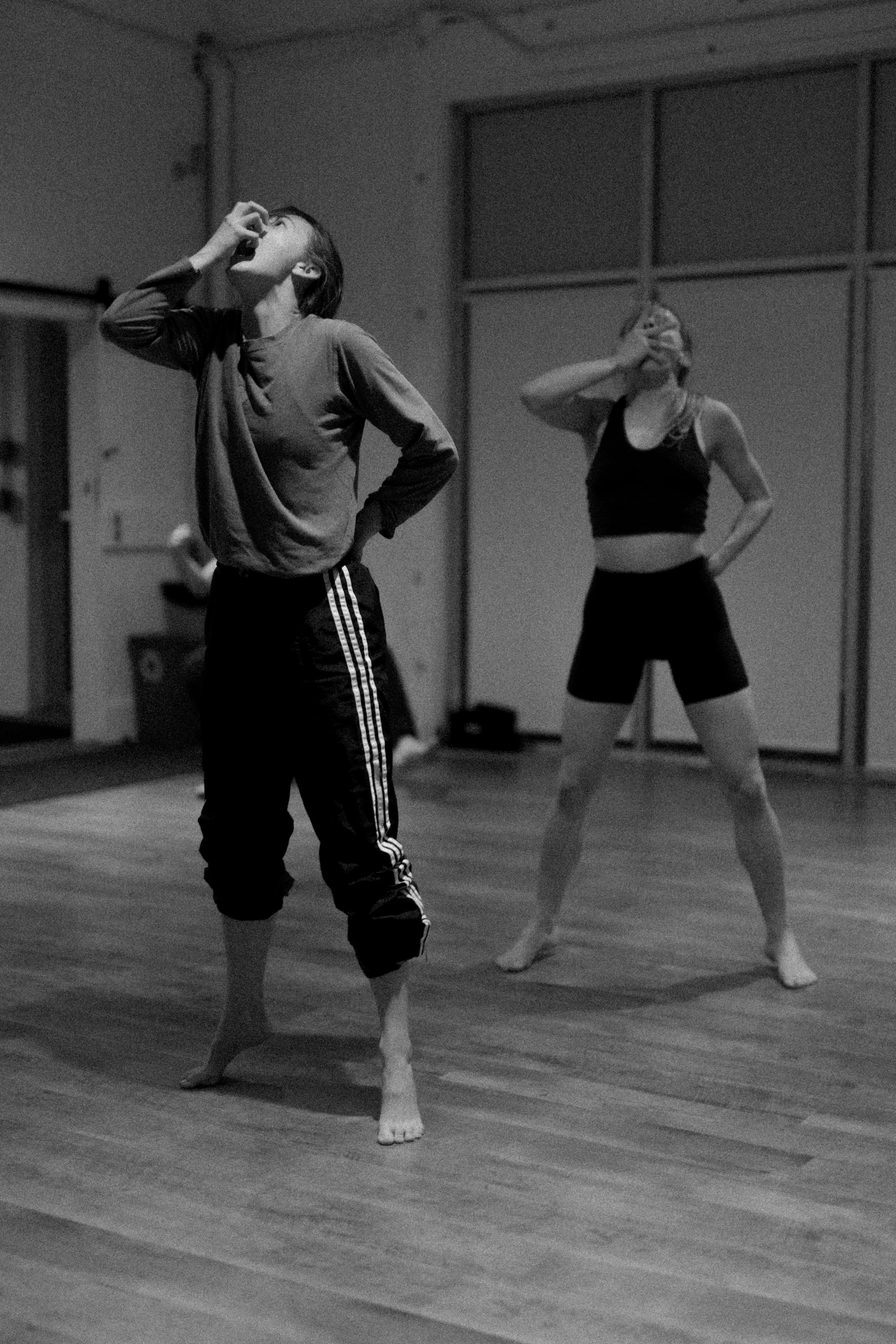
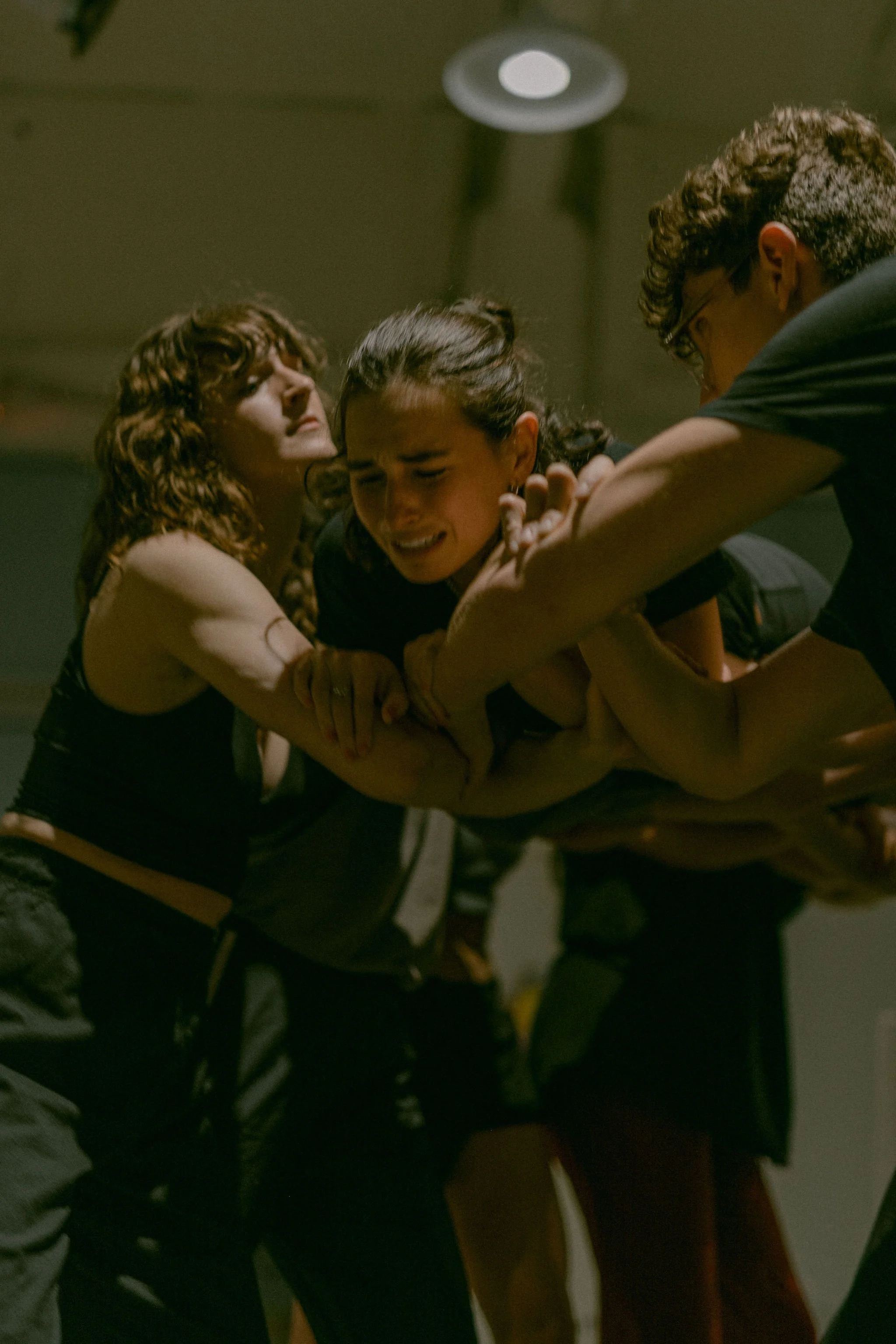
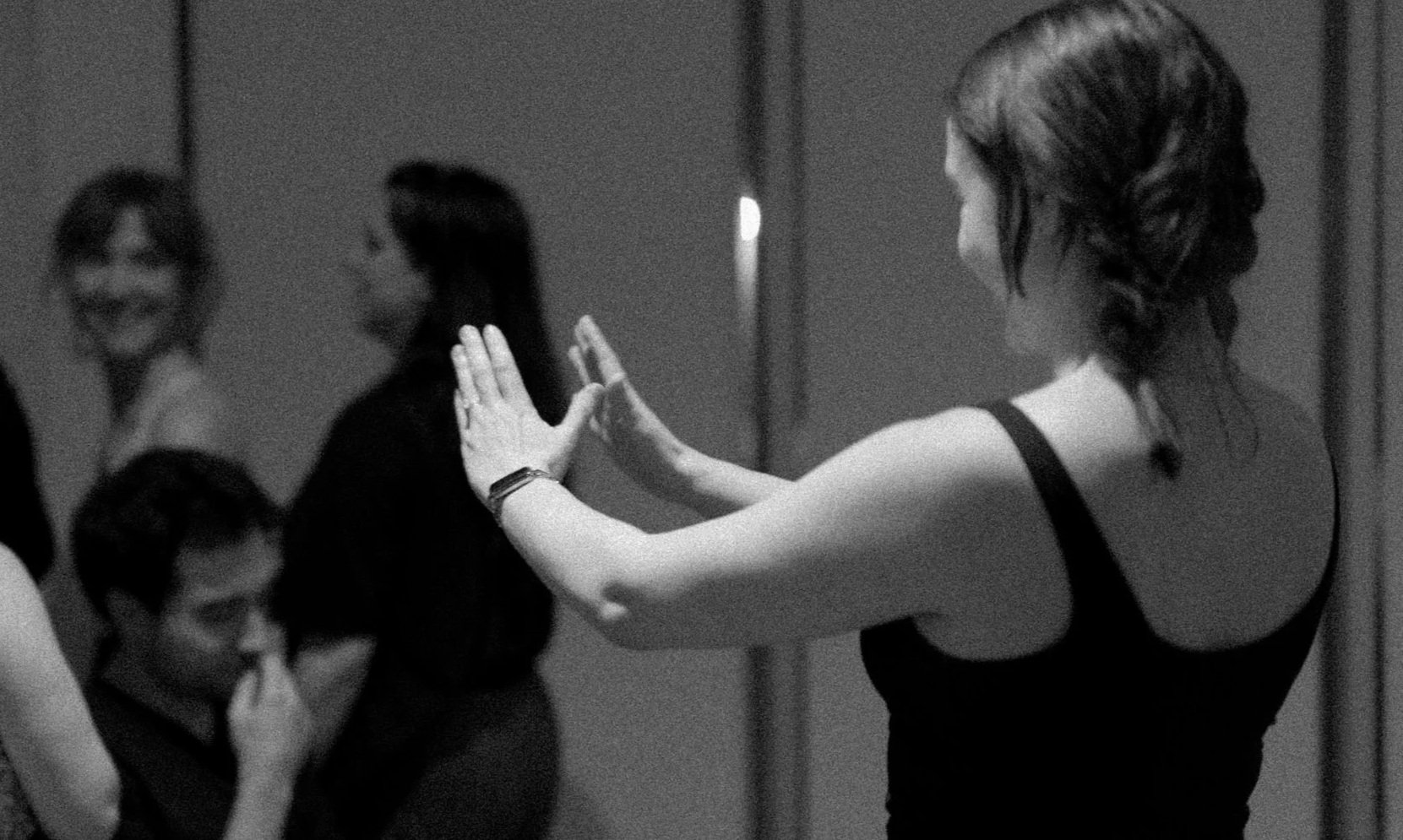
What do you teach?
I teach my own method that incorporates the techniques of Laban, Suzuki, and Viewpoints, all of which work to develop further presence, openness, specificity, body awareness, tools for transformation, and access to imaginative play. Though my teaching prioritizes the technique fundamentals of these methods, my approach to movement for actors is informed by these techniques in practical action from text to process to performance.
I come from the Meisner world, and remember feeling an incredible amount of tension in my body as soon as they started “coming to life,” or so we say in the Meisner world. I similarly witnessed it in my fellow classmates. The emotional and psychological demands we place on ourselves as actors translates directly to the body’s attempt to keep itself safe. I’ve seen it time and time again, that as soon as a meaning takes hold, as soon as a student begins to have a full emotional response, the body tries to shut it down in an effort of self-preservation.
In one such moment during my actor training at NYU, my teacher Nate Flower (the Head of the Meisner Studio at NYU Tisch) — after I granted permission, of course — gently placed a hand on the center of my back and over my diaphragm, and had me breathe into the gentle pressure while staying engaged with my scene partner. First, I felt resistance. Then, I felt like a snap of release, a glimmering moment of fully staying in the scene while finding an open channel through breath and body awareness. I strongly feel that was the moment in my training where the connection to my body become central to my understanding of the how we as actors can find release in these moments, bringing us to be our most free, improvisational, and generous.
In my own practice and study, I found the key that unlocked my ability to work as a released, expressive, an adaptable performer is a solid movement practice, also influenced somatic methods. My movement teaching focuses on combining the Meisner technique with somatic movement practices and the techniques of Laban, Viewpoints, and Suzuki.
How do I get involved?
Movement training for actors in the United States has unfortunately become an afterthought unless emerging actors are fortunate enough to attend conservatories or reputable acting programs, particularly in comparison to European training programs where its central to the work. The wide misconception in the US is that movement is only abstract, avant-garde, or will make an actor's performance “too big” for Film & Television. This is, quite simply put, not true.
My hope is to change the mentality around physical actor training, and offer coaching to allow working actors to use movement in their process as they would any other acting technique. I often offer classes through Vernal & Sere Theatre, where I am a Co-Founder, Producing Partner, and the Head of Education. In order to fulfill our mission of making training accessible and affordable, classes are offered on a sliding scale.
While I’m taking a hiatus from teaching in the Atlanta area, I’m available as a guest instructor for educational workshops or classes at your institution or studio in the Dublin, where I’m pursuing my MFA in Directing at the Lir at Trinity College. I’m also able teach in person or virtually.