What is a Movement Coach?
The Movement Coach collaborates with the actors and director to determine the quality of movement that offers additional specificity in the process of creating a character. I work to support the creative process by building a physical dramaturgy that reinforces the story, similar to the manner in which an accent/dialect or acting coach may work with an actor to find the truth of the voice and acting that is specific to a certain location, time period, culture, or class. The movement coach is primarily concerned in supporting the actor to find the truth of the body, and using the body as the entrance into total transformation.
While the role of the Movement Coach remains uncommon in the Southeast region, the position is incredibly valued in larger Film/TV markets around the world. Movement Coaches have been used on projects such as The Crown (Netflix), The Great (Hulu), Bohemian Rhapsody, No Time to Die, His Dark Materials, Nosferatu, A Discovery of Witches, and Killing Eve, to name a few.
When is this role beneficial?
The work of the movement coach is particularly useful in a project that:
Is based on the life of a real person or a dramatic recreation of a historical event.
Is a period piece that utilizes different styles of movement and etiquette than present day.
Involves a character undergoing a dramatic transformation due to illness, injury, psychology, or genre.
Requires the use of stylized elements that may require additional physical training and technique.
Whenever an actor is looking for assistance with embodied transformation.
While the Movement Coach can be valuable with more complex physical roles, they can help an actor in their process even without the requirement of extreme external transformation.
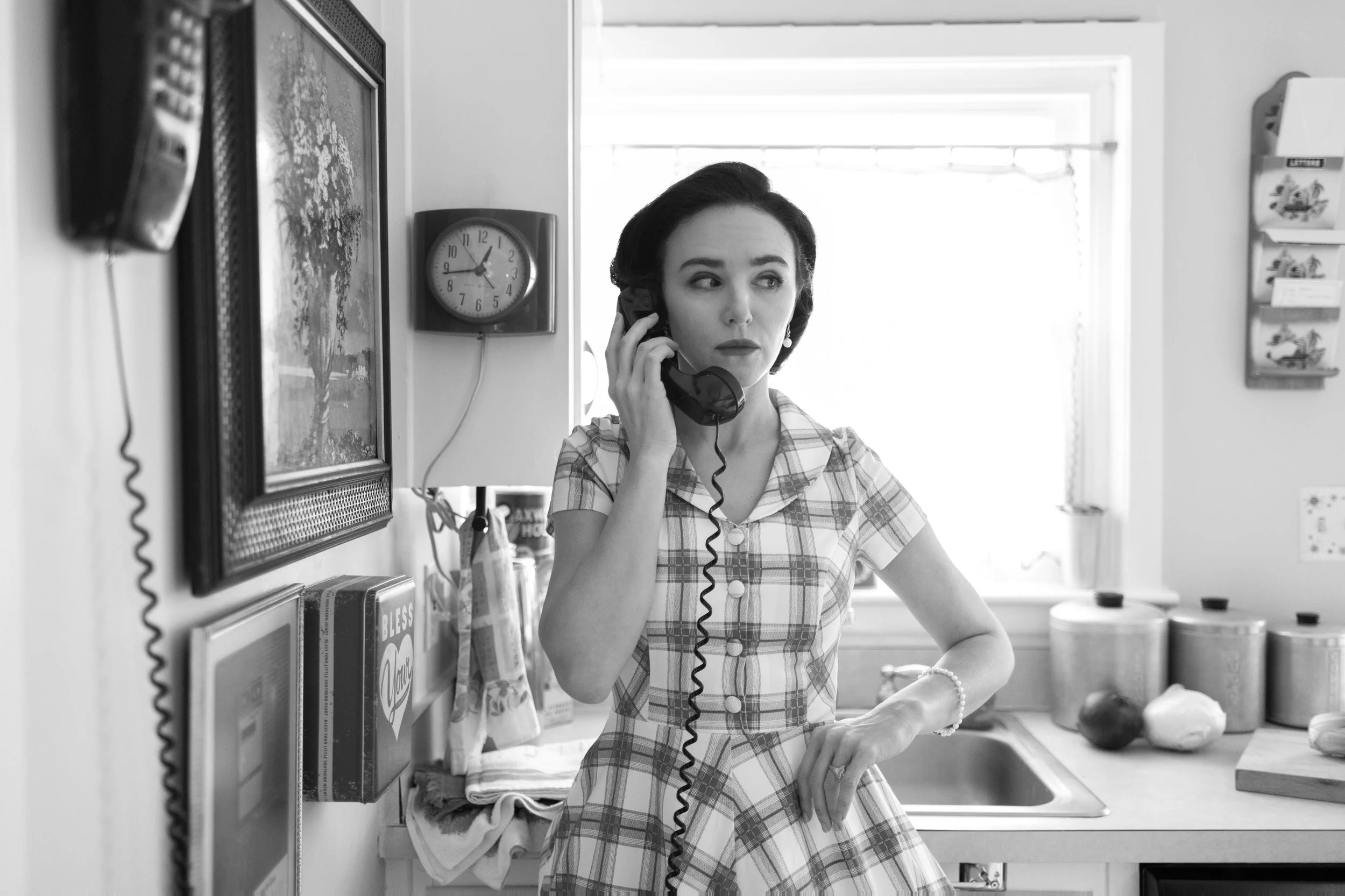
A clip from Erin's coaching on 6LACK's Since I Have A Lover
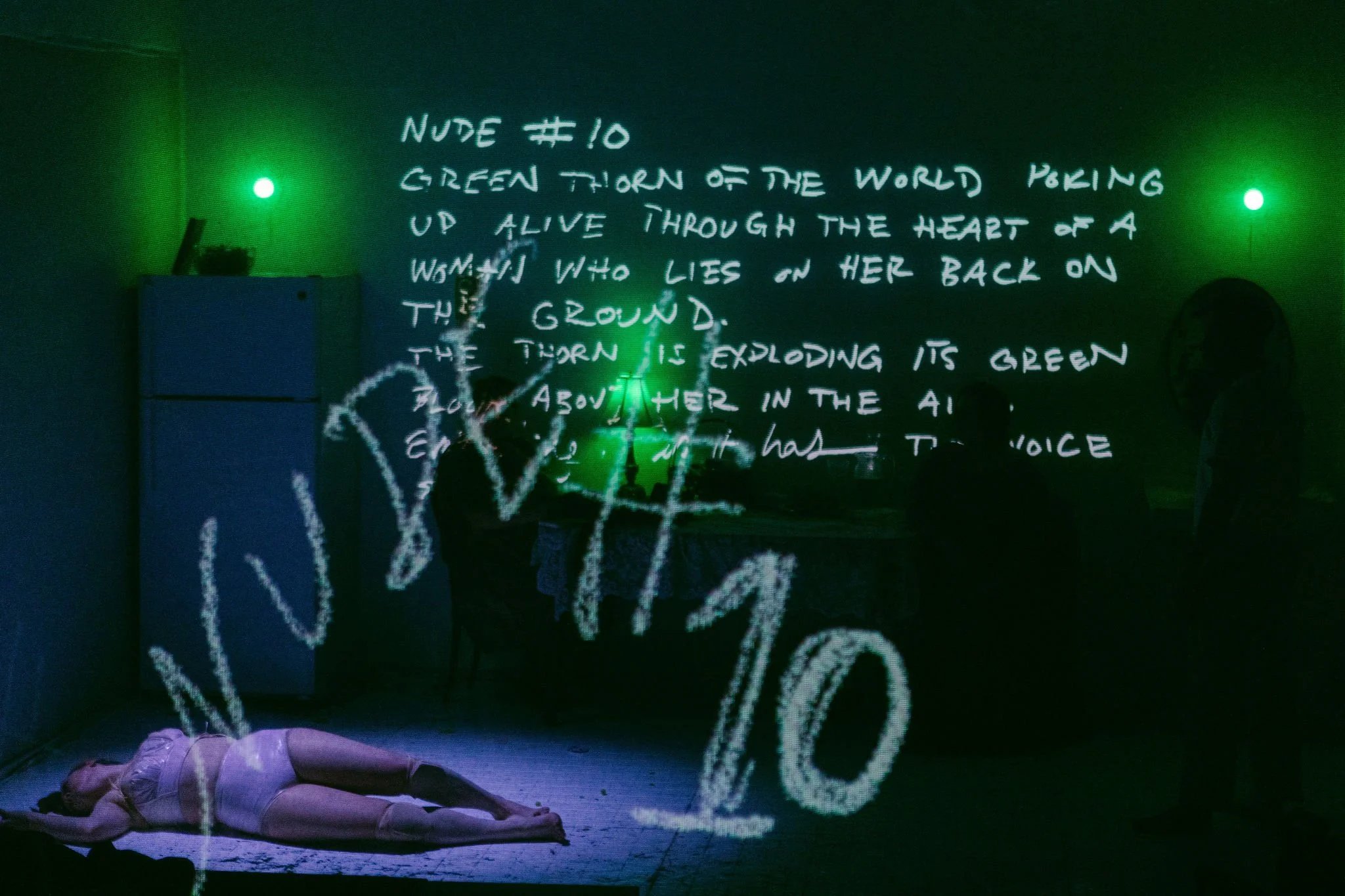
Erin's diverse background in movement methodologies and performance styles informs her unique approach to movement coaching and directing. She specializes in guiding actors to craft transformative performances, with a particular focus on expressionistic, supernatural, and stylized roles.