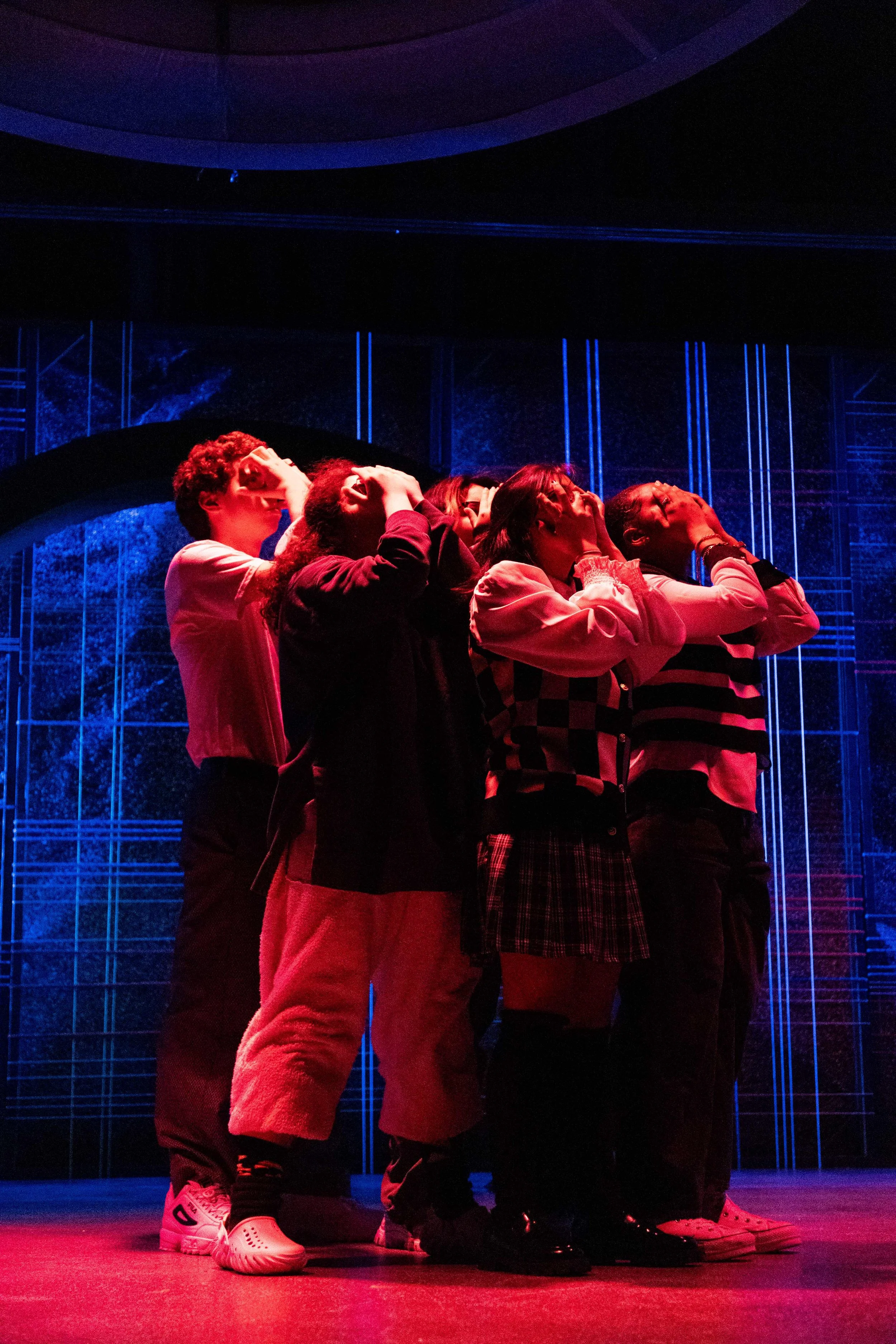
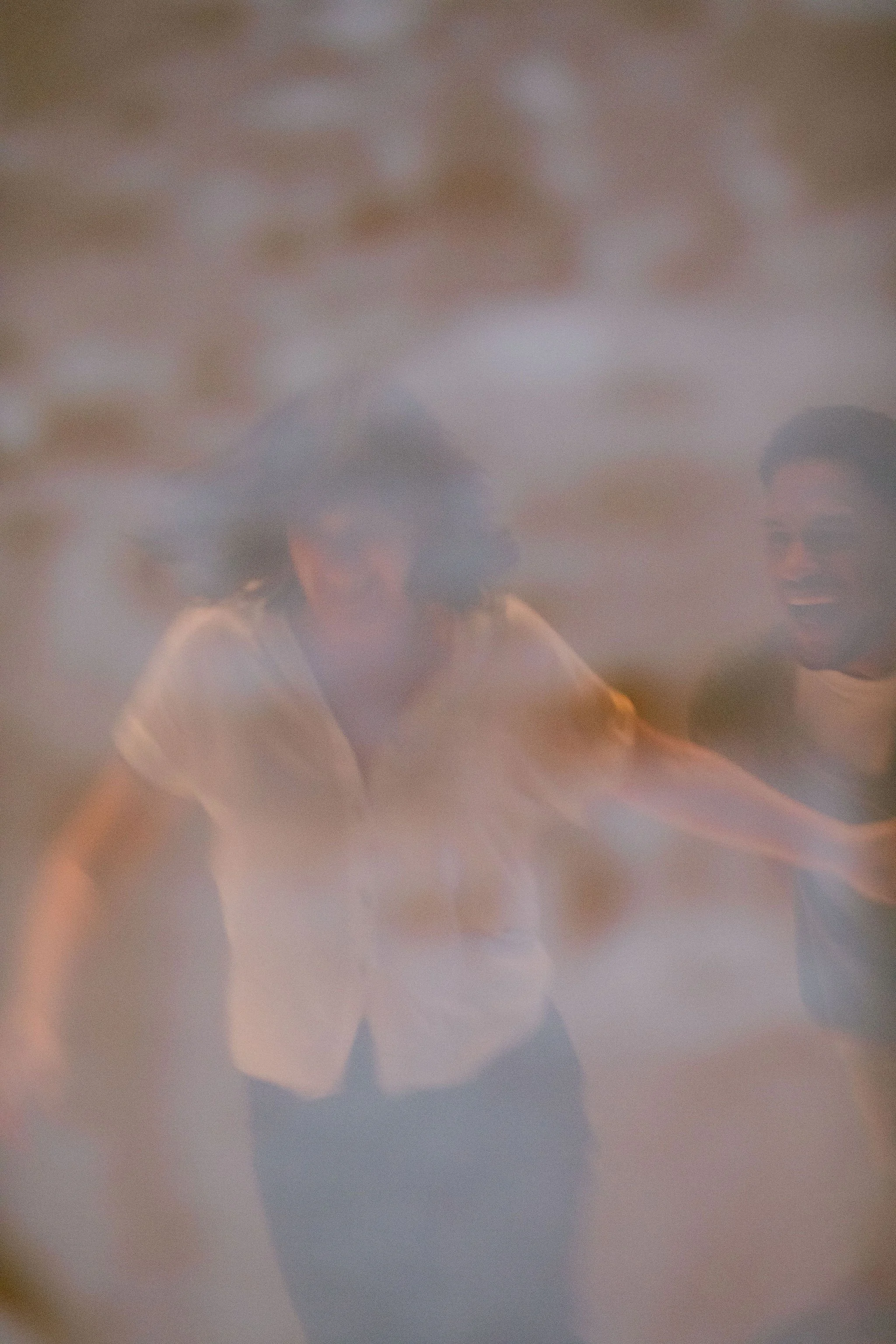
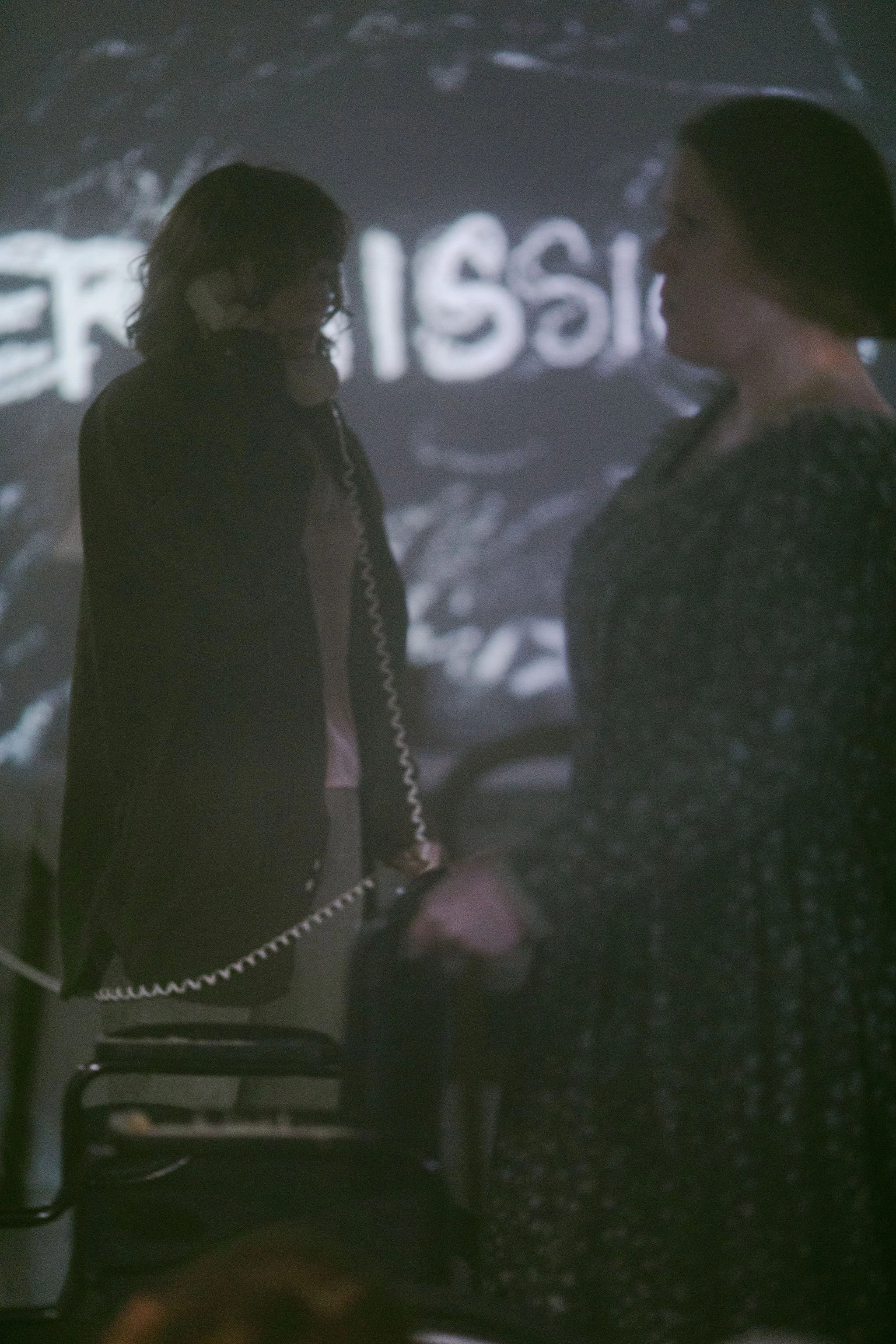
The body speaks.
What the body communicates is vital to the story. This is where the Movement Director can help.
What is a Movement Director?
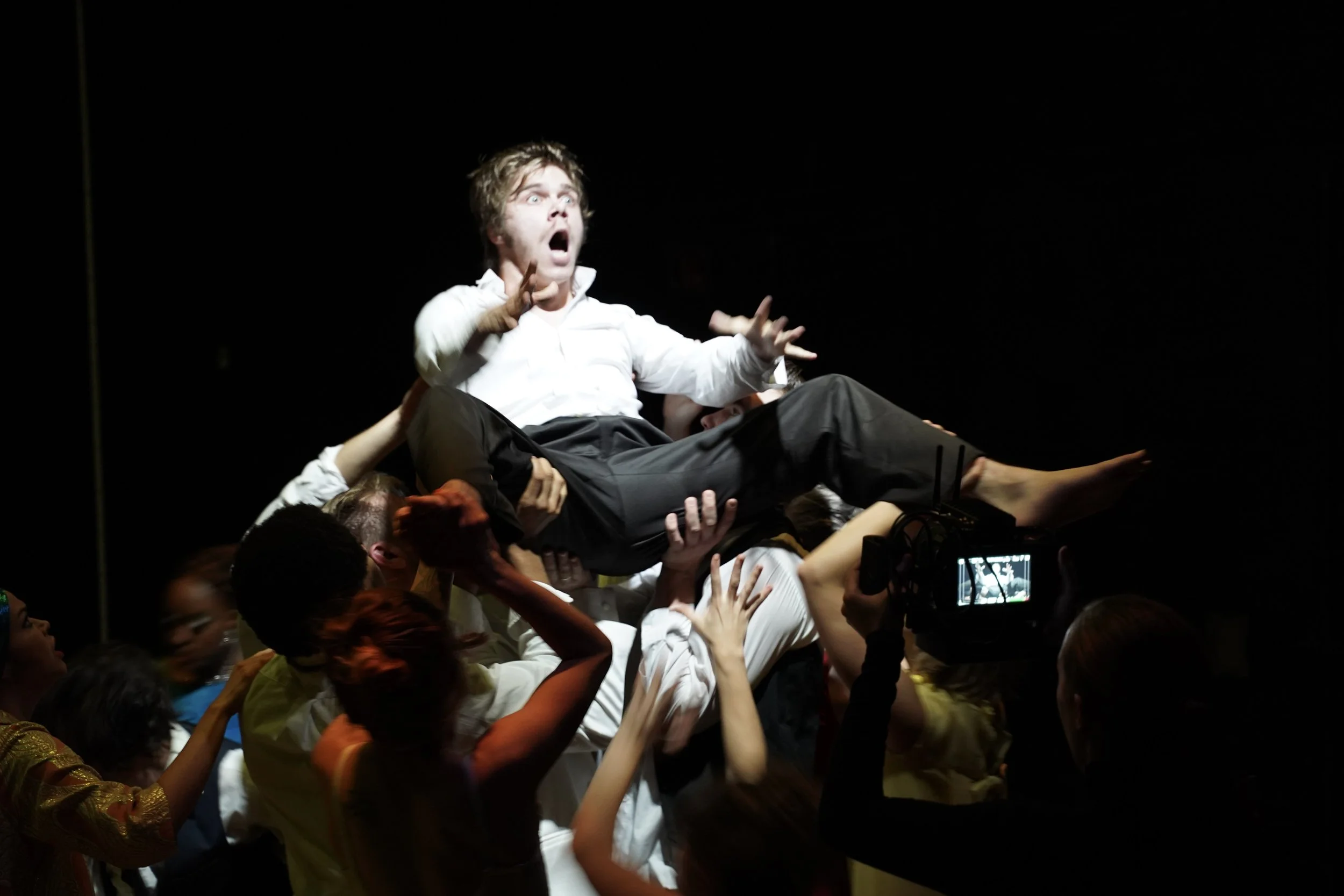
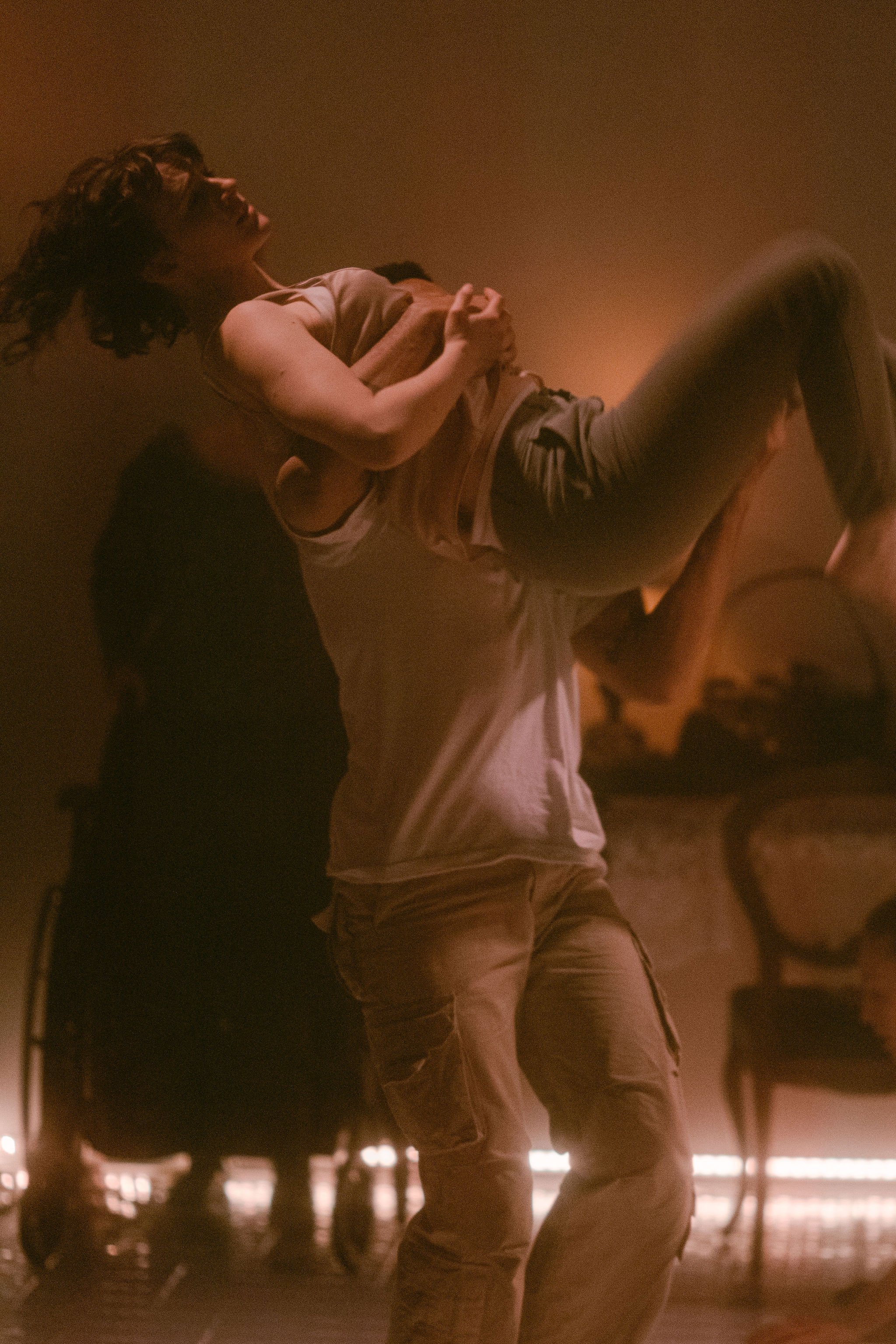
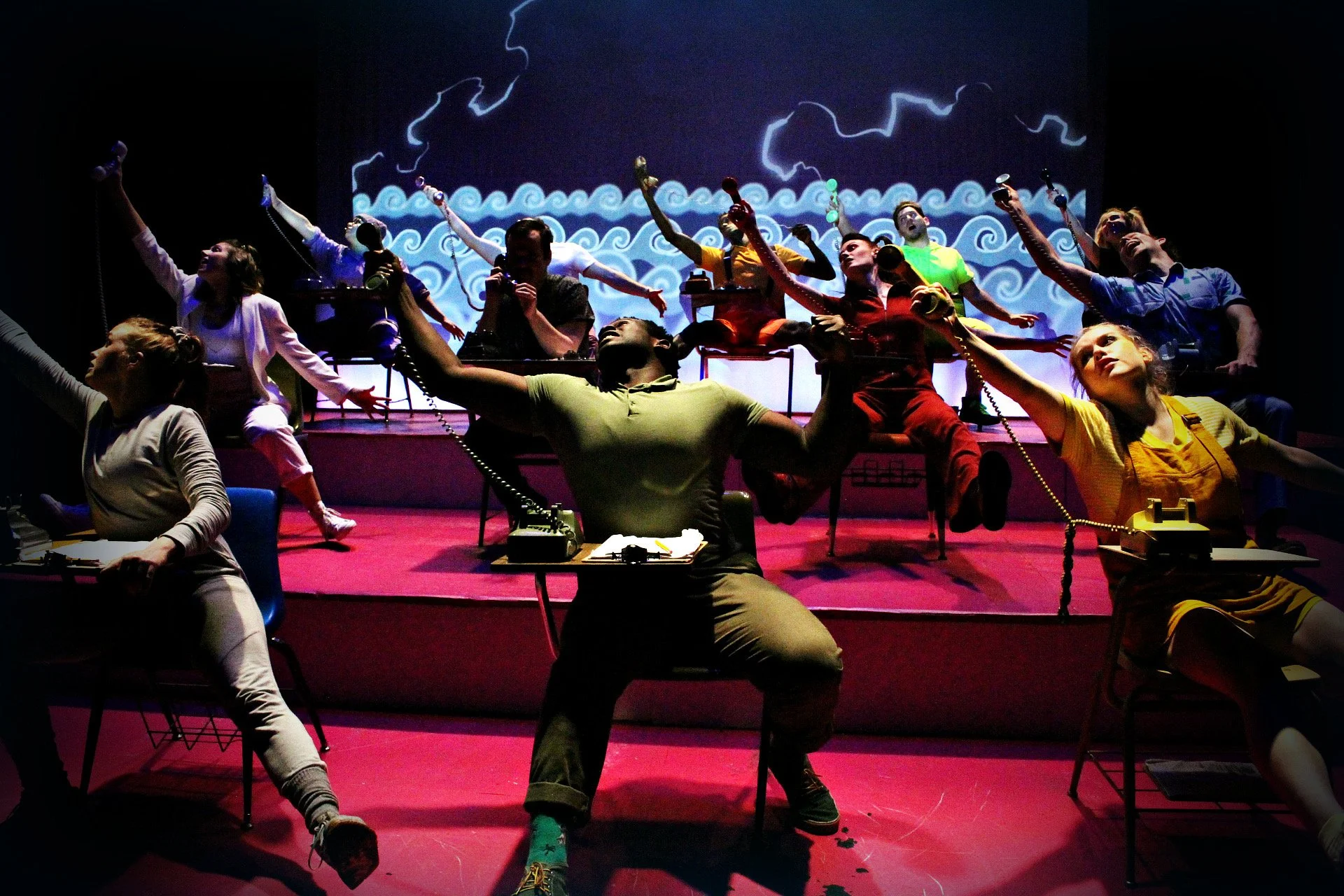
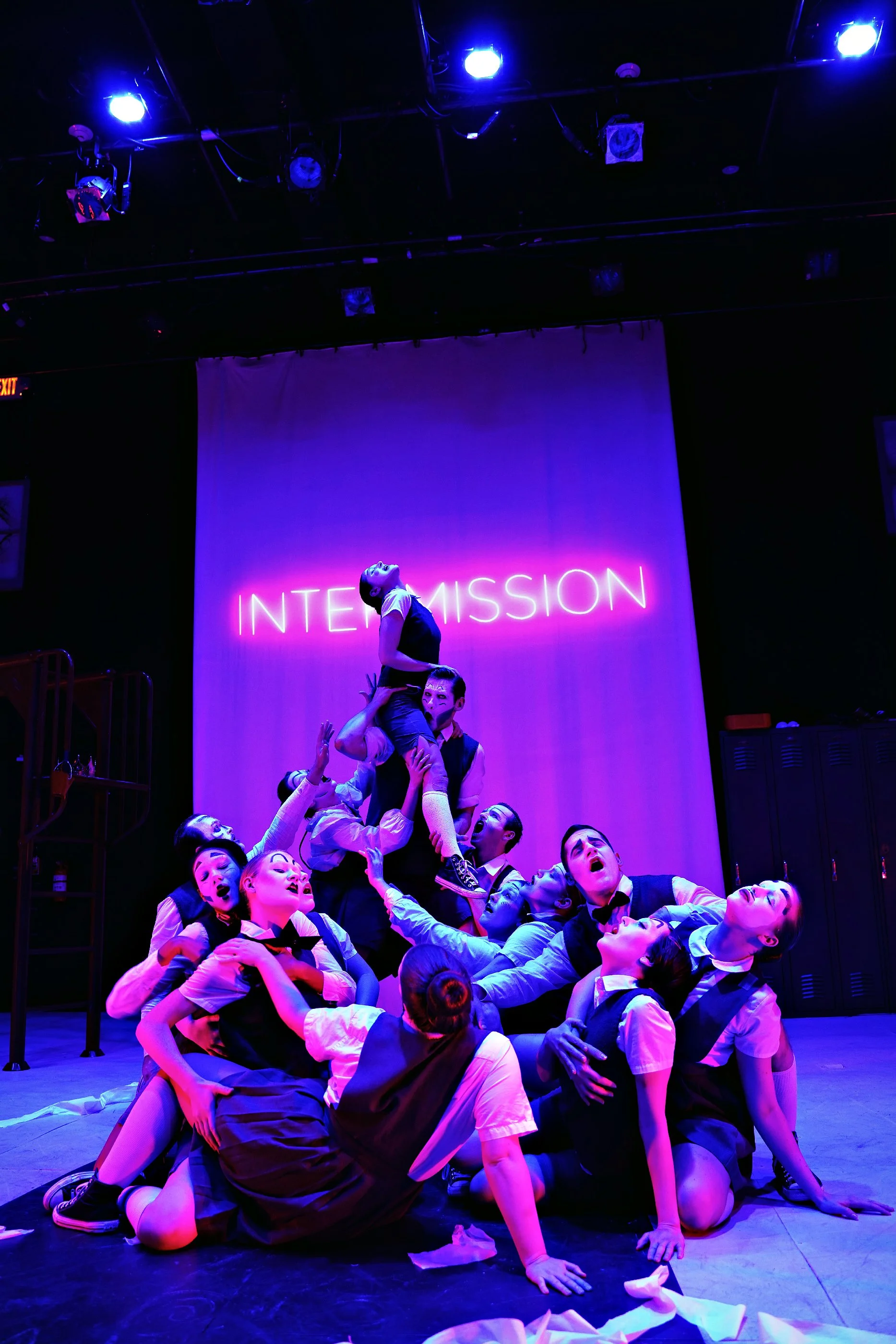
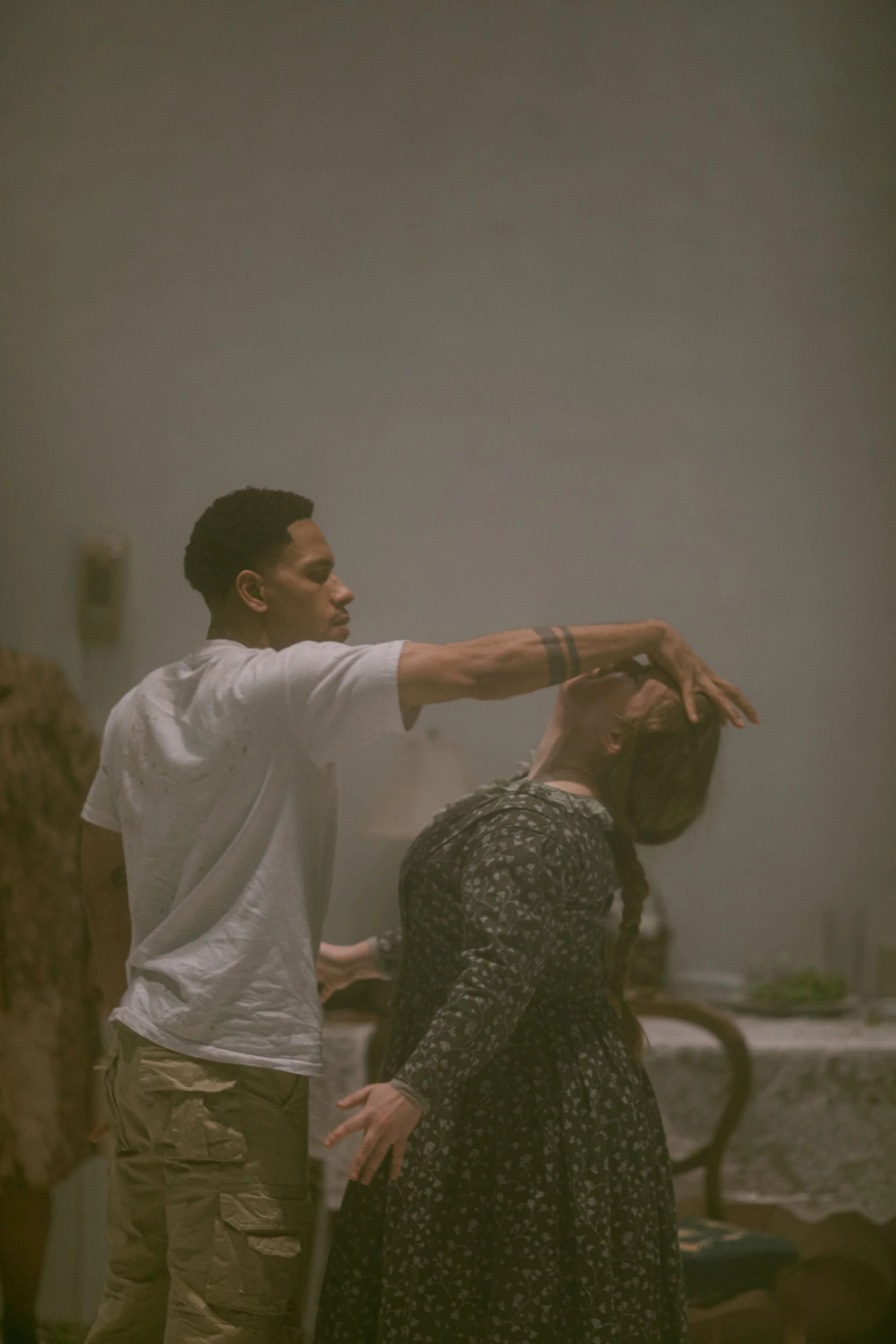
This highly creative role focuses on the collaboration between the director and the actors find a physical language for production and the performances within it. Though the resulting performance may be stylized, with sequences of choreography, heightened movement styles, or large ensemble numbers. However, it is also often used as a way to help the director stage their vision and the flow of the play, and help actors find their way of moving as their characters in the imagined world.
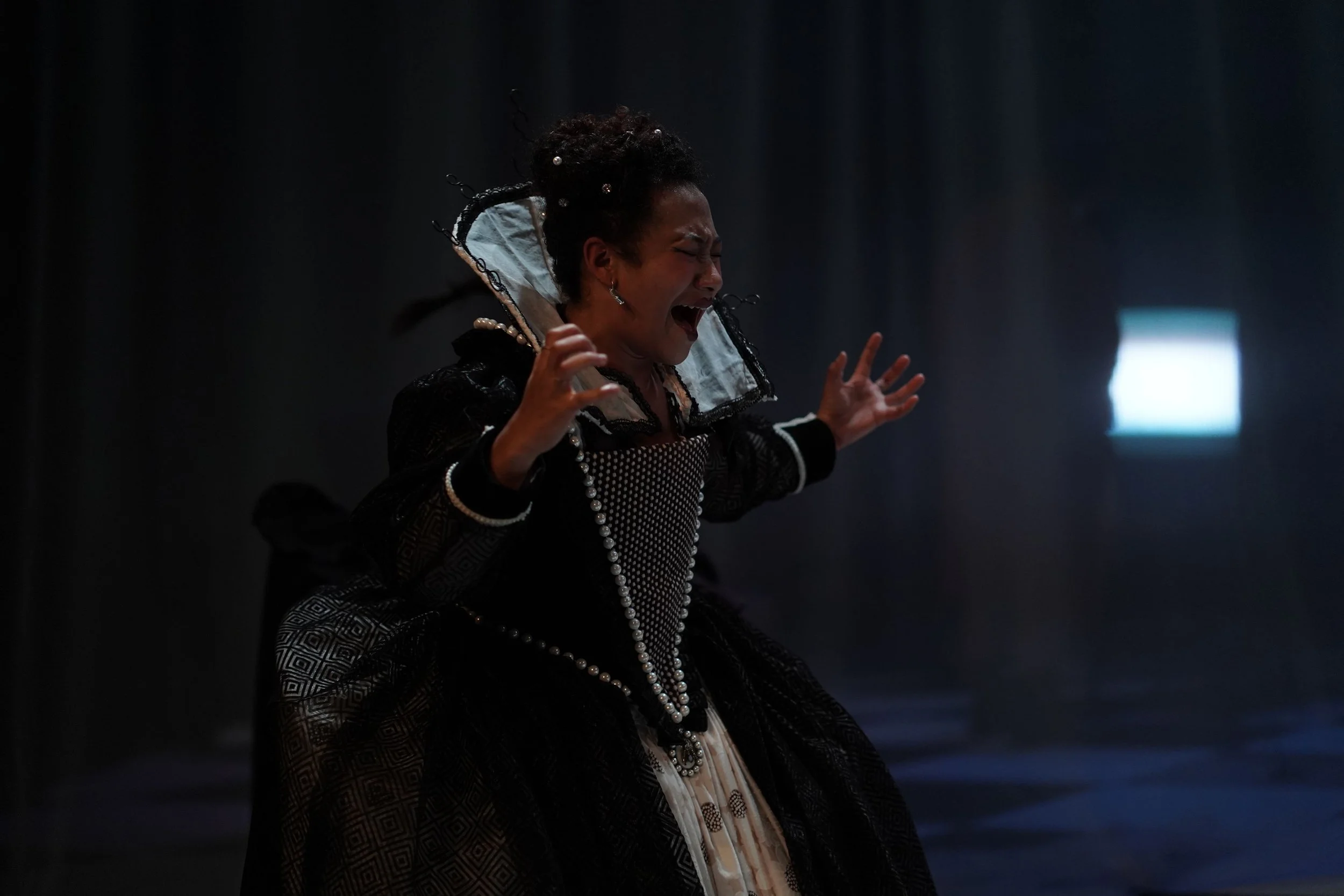
The practice in action.
The role of the Movement Director varies per production, but responsibilities may include:
Choreographing or devising solo or ensemble movement that serves the narrative (distinct from creating standalone dance).
Supporting actors through transformational challenges, such portraying characters with illness, injury, or heightened stylistic requirements.
Helping actors physicalize character through posture, tension, gesture, expression, and embodied behavior.
Assisting the director in finding a flow for a scene.
The work of Movement Directors is often most visible in highly physical stage productions. However, their work can help any piece of work become more vibrant, authentic, and specific.